Many Android users have noticed that Google Play Protect sometimes scans their devices and displays alerts related to Blue WhatsApp. This is often confusing because the app may still be running normally, but Play Protect treats it differently than apps downloaded from the Google Play Store. After a Blue WhatsApp Update, some users may see new scan notifications as Play Protect rechecks the app’s files and permissions, even when the application continues to function without noticeable changes.
To understand why this happens, it’s necessary to delve into how Play Protect works and how modified apps are distributed.
What Is Google Play Protect
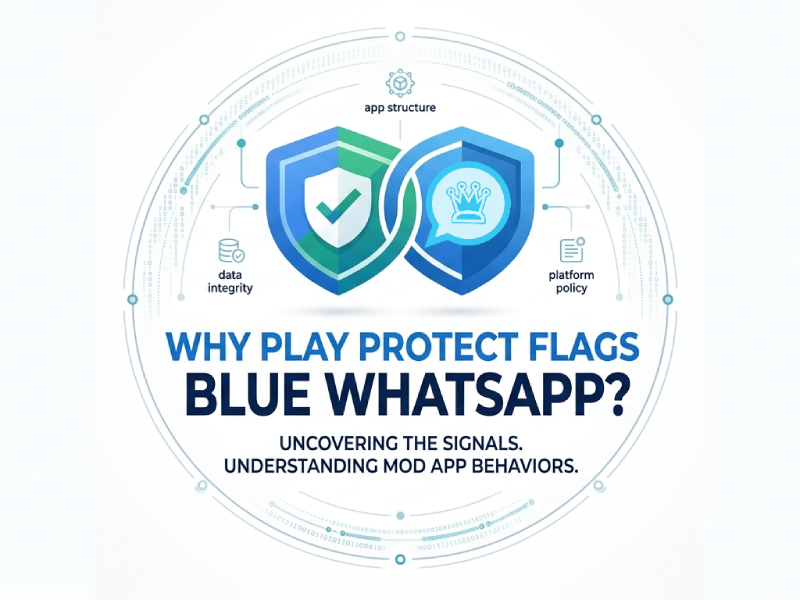
Google Play Protect is a built-in security system developed by Google for Android devices. It runs in the background to help monitor the apps installed on your phone or tablet. Most modern Android devices include Play Protect by default through Google Play services, so users don’t need to install any additional software to use it. When users install third-party applications such as Blue WhatsApp Latest Version 2026, Play Protect may automatically scan the app and compare it against Google’s security database to help identify potential issues and maintain a safer Android experience.
One of its main functions is scanning before and after app installation. When an app is downloaded from the Google Play Store, Play Protect checks whether it meets Google’s security standards. It can also inspect applications installed from external sources, such as APK files downloaded from websites.
Play Protect can do much more than just perform a one-time scan. It periodically checks installed apps to ensure they always match the information stored in Google’s database. This ongoing process helps Android maintain a consistent app verification system across millions of devices worldwide.
The service also collects various technical details, including application signatures, permissions, update history, and installation sources. By comparing this information with known application records, Play Protect can identify applications that do not conform to expected patterns.
Because the Android system allows users to install software from multiple sources, Play Protect plays a crucial role in managing and verifying applications across the platform. Whether an app comes from Google Play or is installed manually, Play Protect helps maintain a standardized review process throughout the Android ecosystem.
What Is Blue WhatsApp
Blue WhatsApp is a customized version of WhatsApp, featuring a different interface and additional personalization features. Many users choose it because it offers more control over themes, chat appearance, and visual customization. For those wondering how to personalize chats in Blue WhatsApp, the app provides various options to modify chat backgrounds, font styles, notification icons, and conversation layouts, creating a more unique and personalized messaging experience.
Unlike the official WhatsApp app, Blue WhatsApp is not distributed through the Google Play Store. Users typically download the installation file from an external website and install it manually.
This difference plays a crucial role in how Play Protect evaluates the app.
Why Does Play Protect Scan Blue WhatsApp
Play Protect automatically scans all apps installed on your Android device. Because Blue WhatsApp is installed from outside the Play Store, it undergoes the same inspection process as other third-party applications.
Several factors can cause Play Protect to pay extra attention to Blue WhatsApp:
1. It Is Not Available Through Google Play
Apps listed on the Google Play Store undergo Google’s review process before being officially released. Blue WhatsApp, on the other hand, uses a different distribution method.
When Play Protect detects an app that is not from Google Play, it performs additional checks to determine how the app was installed and whether its digital signature matches known records.
2. The App Has Been Modified
Blue WhatsApp is based on WhatsApp, but includes modifications made by independent developers. These modifications will change parts of the original application package.
When Play Protect detects differences between modified and official versions, it may classify the application differently during the scan.
3. Frequent Updates Create New Signatures
Many modified apps receive updates from different development teams. Each update may generate a different app signature or package structure.
As Play Protect continues to update its database, newly released versions may be scanned again to determine if they comply with Google’s app verification system.
4. Side-Loaded Applications Receive More Attention
Apps installed via APK files are generally called sideloaded apps. Android allows users to manually install such apps, but Play Protect still performs routine checks.
Blue WhatsApp is one such app and therefore requires periodic scanning.
How Play Protect Evaluates Applications
Many users believe that Play Protect simply marks apps as safe or unsafe. But in reality, the process is much more complicated.
The system analyzes multiple factors, including:
- Application signatures
- Package structure
- Installation source
- Requested permissions
- Behavioral patterns
- Update history
These checks help Play Protect compare applications against its vast database of known software.
As the Android system continues to evolve, Play Protect will also update its scanning methods. This means that as Google’s system improves, the evaluation results for the same application may change over time.
Why Some Users Never See Alerts
Not all Blue WhatsApp users will receive the same Play Protect notification. Some users receive the warning shortly after installation, while others may use the app for a long time without receiving any notification. This difference can be influenced by several factors, including device settings, Play Protect scan frequency, app version, and installation source. For example, users who install the latest Blue WhatsApp APK for Android from different sources may experience different results because Google Play Protect evaluates apps based on multiple conditions rather than applying the same notification pattern to every device.
1. Different App Versions
Blue WhatsApp has multiple versions, which will be released over time. Some versions of the package structure or signature may differ from how Play Protect handles them. Therefore, some versions may trigger notifications, while others may not.
2. Different Android Versions
Google regularly updates Android and Play Protect. Devices running newer versions of Android may use different scanning methods than older devices. Even if the same app is installed, it can lead to different scan results.
3. Play Protect Database Updates
Play Protect continuously updates its cloud database. Because these updates are not always pushed to all devices at the same time, users may see different scan results depending on when their devices check for updates.
4. Device Manufacturer Differences
Android devices from different brands typically include a custom software layer. These changes affect how system services interact with installed applications, resulting in slightly different behavior from Play Protect.
5. Different Installation Sources
Users may download Blue WhatsApp from different websites or providers. Even if the application name is the same, the installation package from different sources may be different. This could affect Play Protect’s analysis of applications.
The Role of App Signatures
Every Android app contains a digital signature that identifies the developer who created and published the app. This signature acts as a unique identifier, helping Android verify whether an application has been tampered with after being signed.
When an app receives an update, Android compares the new version’s signature with the version already installed on the device. If the signatures match, the system will recognize that the update came from the same source. If the signatures are different, Android will treat the package as a separate version and may perform additional verification checks.
Play Protect also incorporates app signing as part of its evaluation process. By comparing the signature with known records, the system can better understand the origin of the application and whether it matches a previously analyzed version. This helps Play Protect manage millions of Android apps and track changes between versions.
For modified apps like Blue WhatsApp, the signature may differ from the signature used in the official version. Since custom versions are often compiled and signed by independent developers, Play Protect may examine them more closely to determine how they match the database. However, this doesn’t necessarily mean the app is faulty; rather, it reflects how Android identifies and categorizes different packages.
As developers release new versions, signing continues to play a vital role in update management, application verification, and compatibility checks. They remain one of the core elements that Android uses to maintain its structured application ecosystem.
FAQs
1. Why does Play Protect scan Blue WhatsApp even after installation?
Play Protect not only checks apps during installation, but also performs regular background scans, reviewing installed apps and comparing them against an updated security database.
2. Does Play Protect only flag Blue WhatsApp?
No. Play Protect Custom Edition can review and scan various types of third-party applications, including applications installed via APK files, beta versions, and versions of popular software.
3. Why is Blue WhatsApp treated differently from the official WhatsApp app?
The official WhatsApp app is distributed through the Google Play Store and follows Google’s release process. Blue WhatsApp is distributed through external channels and uses a modified software package, so Android evaluates it differently.
4. What are app signatures in Android?
Application signing is a digital certificate used to identify the developer who creates and signs an application. Android uses application signing to verify updates and distinguish between different software versions.
5. Can Play Protect scan apps from outside the Play Store?
Yes. Play Protect is designed to review applications regardless of where they were installed. Apps downloaded through APK files can also be scanned by the system.
6. Why do some users see Play Protect notifications while others do not?
Experience may vary depending on Android version, device model, Play Protect database update, and the specific version of Blue WhatsApp installed.
7. Does every Blue WhatsApp version have the same app signature?
Not always. Different developers and releases may use different digital signatures, which can affect how Android and Play Protect identify the application.
Conclusion
If Play Protect flags Blue WhatsApp as a suspicious app, the reason is usually related to how the app is distributed and how Android evaluates modified apps. Because Blue WhatsApp is not installed through the Google Play Store but uses a custom package structure, Play Protect typically performs additional checks on official Play Store apps.
Understanding the relationship between Play Protect, app signing, sideloaded APKs, and modified apps helps explain why these scans occur. In most cases, what users see is only part of the ongoing verification process for Android applications.