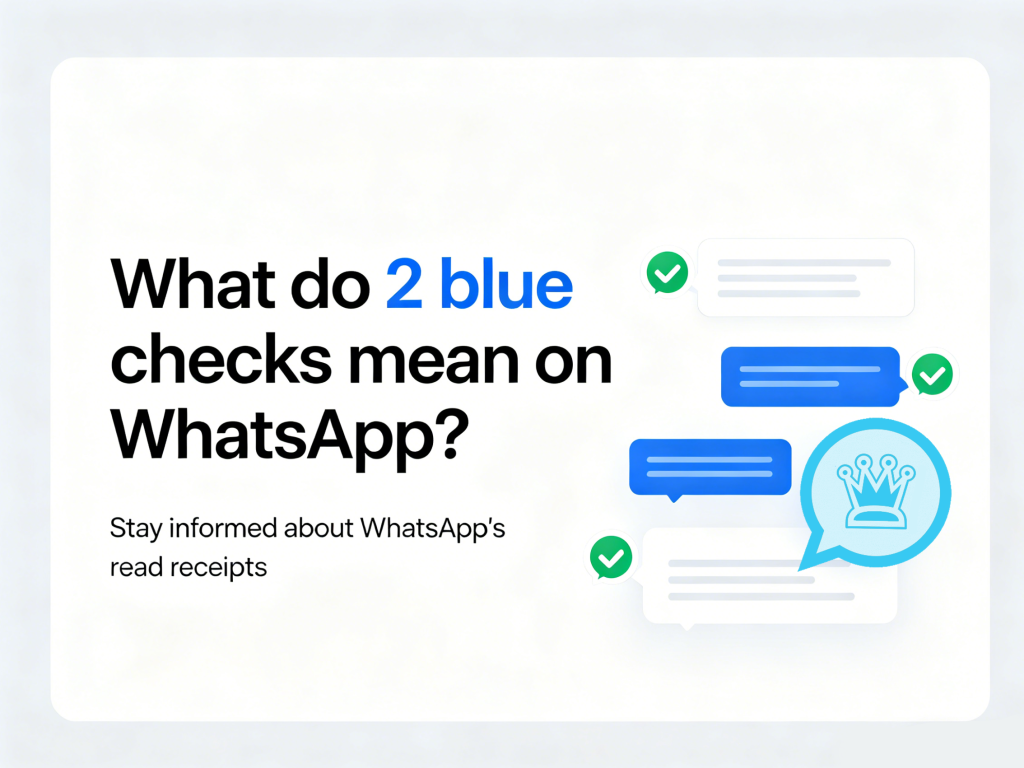
You send a text. You see “Read” or those two blue checkmarks. Then nothing. No reply. Not for hours. Maybe not ever. Your brain starts asking: Did I mess up? Are they mad? Do they hate me?
In this blog, I’ll walk you through why read receipts cause so much stress, why leaving someone on read isn’t always rude, and how you can take back control of your messaging life.
What Is Read Receipt Anxiety?
A read receipt is a notification that tells the sender that their message has been opened or viewed.
The exact design depends on the messaging service. On WhatsApp, for example, message indicators can tell you whether a message was sent, delivered, or read. When read receipts are enabled, the sender may be able to see that you have opened a conversation.
Read receipt anxiety describes the stress or overthinking people experience when they can see that someone has read their message but has not responded.
It can happen in romantic relationships, friendships, family conversations, school groups, and workplaces.
A typical cycle looks like this:
Send message → see “Read” → wait → check phone → still no response → create explanations → check again.
The person may repeatedly open the conversation even though there is no new information. This can turn a simple messaging feature into a source of stress.
Is Leaving Messages on Read Actually Rude?
Sometimes it can be rude. But sometimes it is completely reasonable.
If someone sends a simple meme and you read it but do not respond, most people would not consider that a serious social problem.
If someone asks, “Can you please confirm whether you are coming to my wedding?” and you read the message but never respond for several weeks, the situation is obviously different.
The digital communication etiquette difference is the message’s importance.
A useful way to think about messaging etiquette is to consider three things:
- How important is the message?
A casual message does not always require an immediate response. A question involving work, travel arrangements, family plans, or an important decision deserves more attention.
- Does the sender reasonably need an answer?
If someone needs your response to make a decision, leaving them waiting for a long time can create a real problem.
- How much time has passed?
Reading something and replying thirty minutes later is very different from repeatedly ignoring important messages for several days.
Good messaging etiquette is therefore less about following a rigid rule and more about understanding the situation.
Why People Disable Read Receipts
There are many possible reasons, and not all of them are about avoiding other people.
They want more control over their time
Some people simply do not want every opened message to become an invitation for immediate conversation. Without read receipts, they can check messages when convenient without creating the impression that they are deliberately ignoring someone.
They dislike being monitored
For some users, the problem is the feeling that their messaging behavior is being watched. They may not want others analyzing when they opened a message or how quickly they responded. This is a legitimate read receipt privacy concern.
They want to reduce social pressure
Some people find read receipts stressful precisely because they feel obligated to respond immediately after opening a message. Turning them off can remove part of that pressure.
They need time to think
Not every message has an easy answer. Someone may receive a complicated question and think: “I don’t want to answer this badly, so I’ll come back to it later.” That is different from intentionally disrespecting someone.
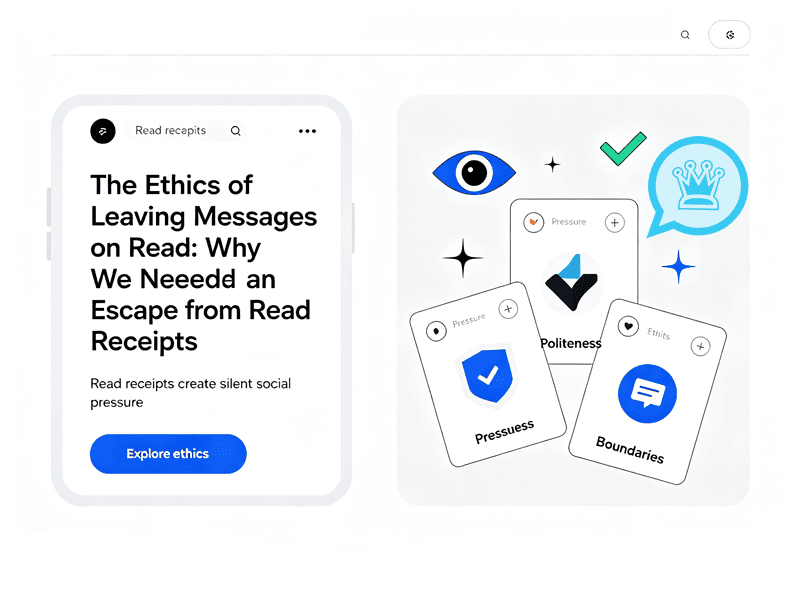
Desperately Need an Escape from the Social Pressure of Read Receipts
Right now, read receipts are mostly all-or-nothing. You either turn them on for everyone, or off for everyone. That’s not flexible enough for real life.
What we really need are smarter tools:
- Per-contact settings. Let me choose who sees my read status. Close friends? Sure. Work colleagues? Maybe not. Random group chats? Definitely not.
- Scheduled quiet hours. Automatically hide read receipts during nights, weekends, or focus time.
- Gentle acknowledgment options. A simple “I’ll reply later” button that lets the sender know you’ve seen the message without forcing you to type anything.
- Better cultural norms. We need to stop treating immediate replies as the gold standard. Slow replies are okay. Thoughtful replies are better than fast ones.
Some apps are already moving in this direction. Signal lets you toggle typing indicators and read receipts separately. Telegram has secret chats. But to use these features, you may need the WhatsApp Blue app. This is a modified version of WhatsApp that gives you more control.
Until then, the best escape is personal. Turn off read receipts. Set expectations with your close contacts. Permit yourself to reply when you’re ready.
Messaging Etiquette Should Allow Different Response Speeds
A healthier approach is to stop treating one WhatsApp read receipts speed as normal. They took a simple delivery confirmation and turned it into a social weapon. They make us second-guess ourselves and judge others unfairly. They turn natural pauses into awkward silences.
That is why I believe people should have an escape from read receipts—whether that means disabling them, changing their messaging habits, or simply agreeing that reading is not the same as responding.
Communicate with intention, not obligation. That’s the real etiquette.
If you enjoyed this post, check out my earlier article at the link. It covers similar ground from a different angle—how and why people disappear online, and what it says about our need for privacy.