In 2026, the modified version of the WhatsApp app will still be widely used, and Blue WhatsApp remains one of the most downloaded versions, thanks to its additional privacy tools, themes, media settings, and customization features, with many users still searching for Blue WhatsApp APK download 2026 when looking for updated installation options and new feature releases that are not available in the official app.
However, many users still encounter situations where their accounts are banned, without understanding the real reason behind it. Some people get logged out after a few days, while others can use the same app for months without encountering any problems. These differences typically stem from user behavior, application sources, and update habits.
We have talked about Is It Safe to Download Blue WhatsApp. Now, this guide will explain the common reasons why Blue WhatsApp accounts were banned in 2026, and how experienced users can reduce the chances of being detected in their daily use.
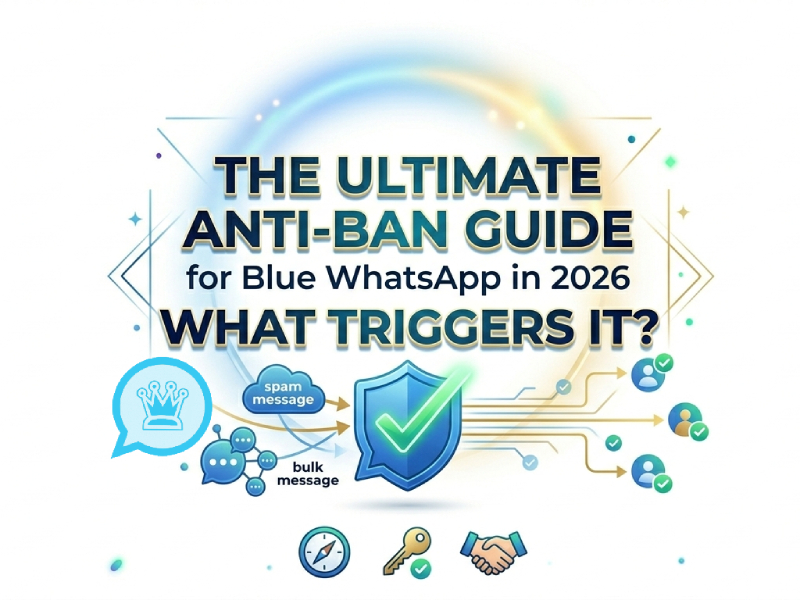
Why Blue WhatsApp Accounts Get Flagged
Many users believe their accounts are banned simply because they installed the “blue version” of WhatsApp. In reality, the system usually reacts to patterns that appear unusual compared to normal WhatsApp behavior, and installing a Blue WhatsApp mod APK is only one of several possible risk signals rather than a guaranteed cause.
In 2026, WhatsApp’s detection methods will place greater emphasis on activity analysis than ever before. The platform will check the communication method between the application and the server, the frequency of specific operations, and whether the client’s behavior is consistent with the official version.
This means that even if two users are running the same version of the blue WhatsApp, the results can be drastically different. One account may remain active for months, while another account may be quickly restricted due to repeated abnormal operations.
Several factors commonly increase detection chances:
- modified app signatures
- outdated internal libraries
- unstable session syncing
- rapid device switching
- spam-like messaging patterns
The system also pays attention to the consistency of behavior. For example, normal users usually chat with acquaintances at natural time intervals. Accounts that suddenly send dozens of identical messages, join multiple groups within an hour, or constantly reconnect to contacts in different locations may be considered suspicious accounts.
Outdated Versions Are One of the Biggest Problems
Many users are still using the old Blue WhatsApp because they prefer the old interface, the removed features, or simply don’t like frequent updates. However, in 2026, continuing to use outdated versions is one of the fastest ways to get flagged.
When a user keeps using an old version, several technical issues can appear:
- Encryption mismatches: Newer WhatsApp servers require updated encryption protocols. Older versions may use outdated methods, causing login verification issues.
- Unsupported message protocols: Older versions may not fully support new message formats, reactions, or sticker packs, which could cause message sending failures or inability to synchronize correctly.
- Broken APIs and server calls: If the application is not updated, many background API calls may fail, generating exception logs and triggering automatic detection.
- Invalid app signatures: If the WhatsApp version is too old, it is easier to detect modified or unsigned packages, which increases the likelihood of temporary restrictions or forced logouts.
In addition to these technical issues, outdated versions often lack the latest anti-ban improvements from mod developers. Each update typically fixes previously exploited or flagged detection vulnerabilities. Missing these updates means that the version a user is actually running is more likely to be detected by the detection system.
One subtle but important issue is that older versions often conflict with features in official updates. For example, new status replies or voice messaging features may not work properly, and repeated attempts to use these features may result in abnormal server requests. Over time, this increases the likelihood of verification prompts or session interruptions.
Download Sources Matter More Than Most Users Think
Many files online labeled “Blue WhatsApp” are not official versions. Some are repackaged or modified by third-party websites. Even minor changes to the APK file, such as signature changes, injecting ads, or adding extra code, can affect how the application interacts with WhatsApp servers. Some users may think that as long as the application can be opened and the chat function works, the source is irrelevant. However, the source of an APK can actually have a significant impact on the stability of an application and the long-term reliability of an account.
Two Blue WhatsApp applications with the same name can behave drastically depending on their source. Some applications may run without problems for months, while others may start to encounter verification errors within days, especially when they are downloaded from untrusted or modified APK providers. In contrast, versions that are properly maintained or come from more stable distribution channels tend to offer smoother performance and fewer interruptions, particularly when they include built-in protections like the Anti-Ban feature of Blue WhatsApp, which aims to reduce the likelihood of account restrictions and improve long-term usability.
Aggressive Messaging Behavior Can Trigger Detection
Spam-style activity is still one of the easiest ways to get restricted.
Even normal users sometimes accidentally trigger this system by:
- forwarding messages too quickly
- sending identical text repeatedly
- adding unknown contacts in bulk
- joining invitation groups continuously
The platform often treats repetitive activity as automated behavior.
Below is a simple comparison:
| Safer Activity Pattern | Higher Detection Pattern |
| Natural conversation speed | Rapid message bursts |
| Small group interactions | Mass group joining |
| Manual replies | Auto-response loops |
| Regular contact list | Unknown bulk contacts |
Users who behave normally usually attract less system attention.
Backup Mistakes Often Cause Verification Errors
Many Blue WhatsApp users have encountered problems after changing devices, reinstalling the app, or restoring backups. Even minor errors can cause verification loops or temporary login problems.
Some common mistakes include:
- Restoring incompatible backups: Using backups of older versions of Blue WhatsApp or other modified versions may cause conflicts. The application may fail to read the database correctly, resulting in lost chat history or duplicate verification requests.
- Mixing official and modded backups: If you restore the official WhatsApp backup on a modified client, or vice versa, the application may not be able to correctly recognize the account. This usually results in repeated prompts to verify your phone number.
- Importing corrupted database files: Interruptions during backup saving or transfer may result in the corruption of some data. Restoring these backups may result in lost messages, synchronization failures, or even application crashes.
- Restoring across different package names: The blue version of WhatsApp usually uses a different package name than the official WhatsApp. If the conversion is not performed correctly, copying the backup file from one application to another may cause the application to fail to load the chat history.
By carefully managing backups, users can avoid repeated verification errors and keep their accounts running smoothly.
VPN and IP Switching Can Sometimes Affect Stability
Some users frequently switch networks when using Blue WhatsApp. This includes changing VPN zones, mobile networks, Wi-Fi connections, and even using virtual device environments, especially when they are evaluating Blue WhatsApp vs WhatsApp differences in real-world usage. Rapid changes in location or IP address may be flagged as abnormal by the automated system, triggering additional verification checks or causing temporary login delays.
Frequent IP address switching can also affect chat synchronization. For example, if an application detects a sudden network switch, messages may arrive late or fail to download properly. This is especially noticeable for conversations containing a lot of media content, as images and videos may not load immediately after a network switch.
To maintain smoother performance, many experienced users prefer to use a stable connection mode. Keeping devices on a single network, or limiting VPN switching during periods of heavy message traffic, helps reduce outages and makes applications more reliable for long-term operation.
Why Official WhatsApp Updates Affect Blue WhatsApp Users
Each major official WhatsApp update involves changes to multiple parts of the system. These changes include security checks, application verification methods, server communication, media processing rules, and even backup management methods. As a modified client, Blue WhatsApp is not always able to adapt to these changes immediately.
Here’s why this matters in practice:
- Security and Verification Checks
Official updates typically improve encryption and verification protocols. If Blue WhatsApp uses outdated code, the server may treat it as a suspicious application, resulting in login loops or temporary restrictions. - Server Communication Changes
Updates may change how messages, media, or read receipts are sent and received. The older version of Blue WhatsApp may not sync properly, resulting in message delays, download failures, or loss of status. - Backup and Restore Compatibility
WhatsApp updates sometimes change the backup format or how cloud restores are handled. Restoring an old, modified backup after an official update may result in corrupted chat history or trigger duplicate verification prompts. - Anti-Ban Patches in Mods
Blue WhatsApp’s developers typically release hotfixes or anti-ban patches immediately after major updates. Users who delay the update may temporarily experience higher detection rates until they switch to the fixed version. - Feature Conflicts
Official updates may introduce new features or remove old ones. WhatsApp Blue users who heavily rely on custom features or anti-deletion features may find that these features are not working properly or are malfunctioning after the update.
In short, official updates are like “checkpoints” for the WhatsApp ecosystem. Users who skip updates or stick to very old versions of WhatsApp are more likely to encounter login problems, verification loops, or sync issues. Regularly updating to the latest patch version can ensure smoother performance and reduce system conflicts.
Is Blue WhatsApp Still Popular in 2026?
Yes, even with increasingly stringent detection systems, Blue WhatsApp remains popular in 2026. Many users choose it because it offers features not available in the official WhatsApp, such as larger media file size limits, customizable themes, advanced privacy controls, and a flexible interface. These extra features make everyday chatting more convenient and fun, especially suitable for users who frequently share media files or prefer personalized applications.
Community support is another reason for its continued popularity. Active user groups share tips, updates, and troubleshooting advice on social media and forums to help new users get started quickly. Blue WhatsApp’s developers also update it more frequently than some other modified versions, which helps maintain compatibility with the official WhatsApp servers.
In addition, in some countries where official WhatsApp features are limited, Blue WhatsApp offers workarounds such as viewing deleted messages, hiding online status, and customizing message bubbles. These features appeal to users who want greater control over their app experience.
In short, Blue WhatsApp is still widely used, but its survival depends on careful development and user behavior, rather than mere innovation.
Final Thoughts
Most WhatsApp blue screen bans in 2026 were related to unstable app versions, abnormal message behavior, or poor update habits, rather than a single isolated cause.
Users who consistently use stable versions, avoid excessive automation, and keep application installation simple typically encounter fewer account issues.
As detection systems continue to evolve, stability and content moderation have become far more important than any additional features of installing modified client versions.